
Our Sanctum Sanctorum
Kaimada & Ainmane
Kaimada
A Kaimada is the sanctum sanctorum for all Kodava’s. This is where the Kodava’s believe, that our ancestors rest. Being Ancestor worshipers, the Kaimada is the most sacred place of worship for all Kodava’s.
Ainmane
The Ainmane or Balliyamane, is a home that in the earlier days would house the entire family of the Kodava’s. Since joint families are a thing of the past, today the Ainame is considered a place where all families can gather and celebrate the essence of being Kodava. The Meedi (humble offering) for our ancestors is also given here.
Karana Kodupo
The Karana Kodupo, or the thanksgiving, is an annual happening that usually falls on the first Sunday in the month of November each year. On this day, all members of the Keethianda Family and the Thamane Moodiya and their families gather at the Kaimada. A fasting girl child of the Keethianda Family, cooks all the delicacies that we believe our ancestors loved and we offer this to our dead at the Kaimada. This custom has been followed for centuries and is never missed at any cost.
The Eternal Lamp
Both, Our Kaimada & Our Ainmane, boast of the eternal lamp. A lamp that is lit at all times symbolizing the spirit of our ancestors who guide us to this day to keep our actions justified in life.
Our Kaimada in all its glory
Our Kaimada is situated about 100mts away from our Ainmane and is a marvellous sight as you get to Thora. Our Kaimada is about 200+ years old and the family has a lot of emotions attached to it.
A sacred abode for the dead of the family, we believe that this is where our ancestors rest.
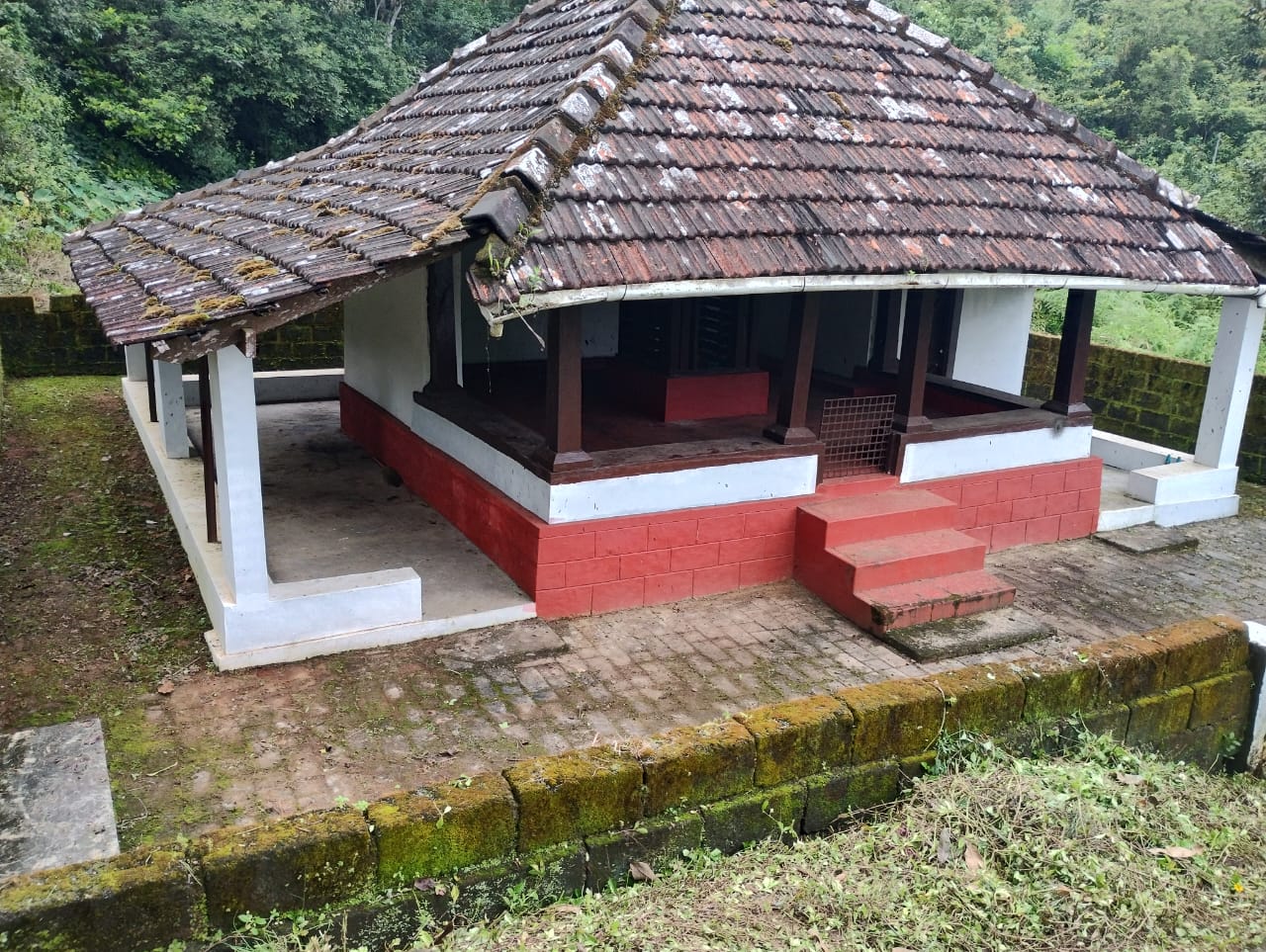
Keethianda Kaimada
Situated at Thora Village in Kedamullur Post of Virajpet Taluk in South Kodagu Our Kaimada is a sight to behold.
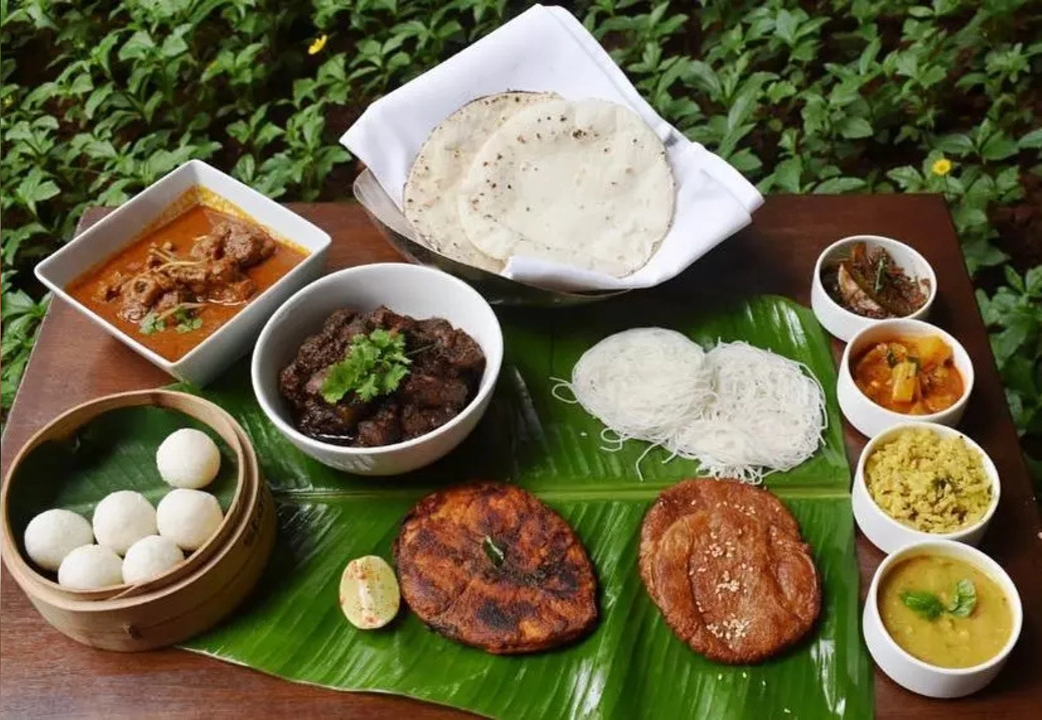
The Meedi
The Meedi, or the offering that we give to our ancestors usually consists of Kadambuttu, Pandi Curry, Koli Courry, Nooputtu, Akki Otti and few seasonal delights.
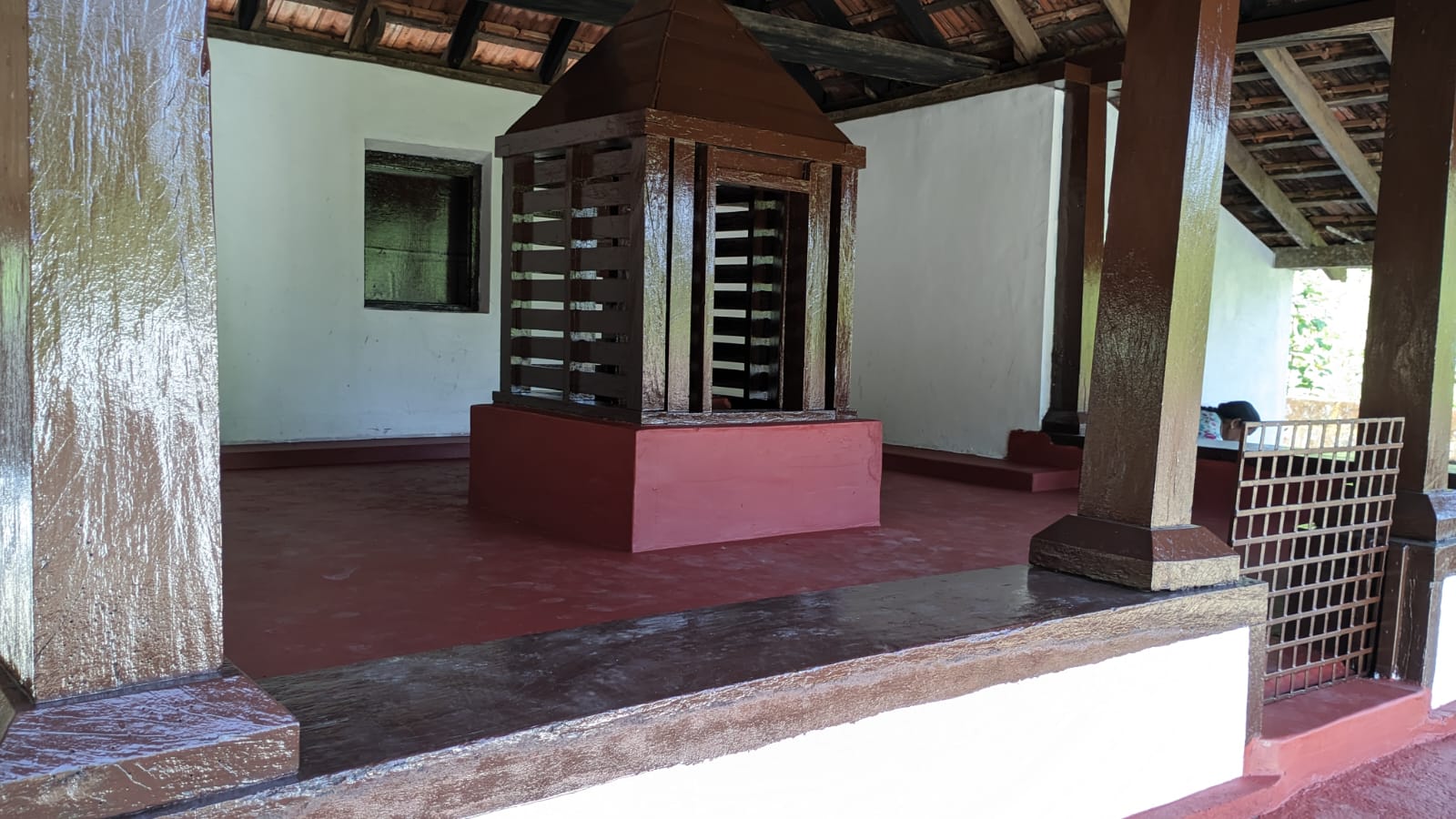
The Sanctum Santorum
Nulla quis lorem ut libero malesuada feugiat. Vivamus suscipit tortor eget felis porttitor volutpat. Lorem ipsum dolor sit amet, consectetur adipiscing elit. Curabitur aliquet quam id dui posuere blandit. Nulla quis lorem ut libero malesuada feugiat. Vivamus suscipit tortor eget felis porttitor volutpat. Lorem ipsum dolor sit amet, consectetur adipiscing elit. Curabitur aliquet quam id dui posuere blandit.
Kaimada, Where the souls rest
The founder of our clan (Okka), known as the Guru Karana, is deeply revered and worshipped by all members of our clan. On our ancestral land, we have a sacred shrine called the Kaimada, dedicated to our clan’s first ancestor, Guru Karana Keethianda Kalaiah. This holy site is where we gather to offer prayers and pay our respects.
The Kaimada is a beautiful structure made of wood, housed within a roofed building situated near the lush paddy fields. It is just a short walk from the ainmane (ancestral home), making it easily accessible for all family members. Inside the shrine, there is a one-foot-high lamp made of stone, which holds significant spiritual importance. We worship our ancestors in the form of this lamp, symbolizing their eternal presence and guidance in our lives.
Our Ainmane, Our Pride
The actual Ainmane of the Keethianda Familywas the home to over 300 familiy members. However, a coward called Tipu Sultan burnt it down to ashes in the year 1786. Ever since, the Keethianda Family did not have an Ainmane until the early 19th century. Today, we have the Ainmane that we built in the late 1800’s and we consider this to be the home of every member of the family.
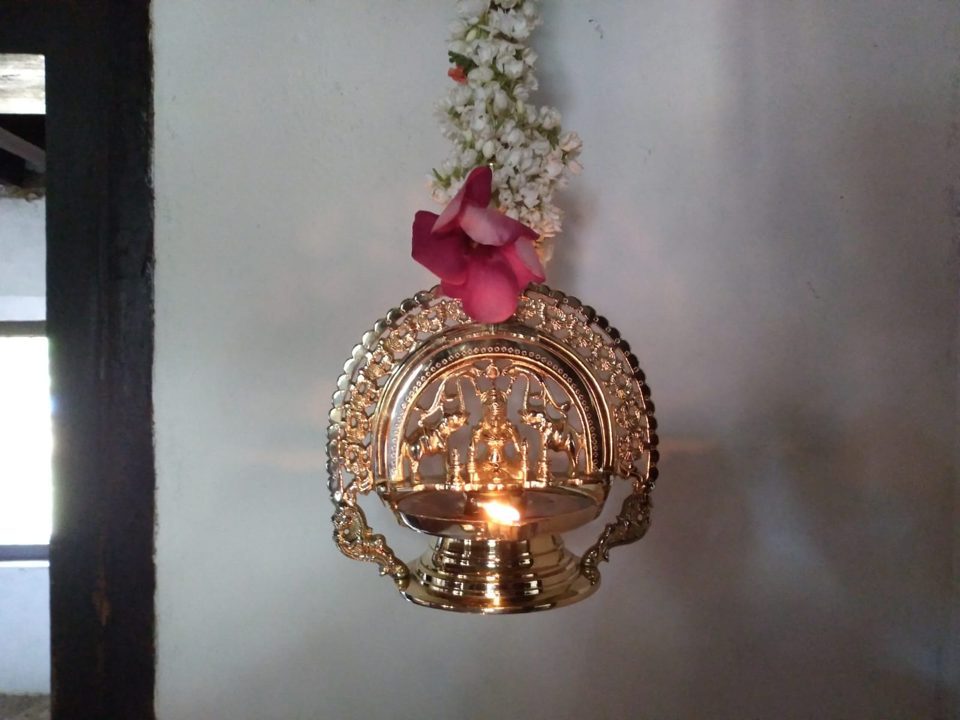
The Eternal Lamp
The Kodava people, an ancient indigenous tribe of Kodagu, are nature and ancestor worshippers. Traditionally, we do not practice idol worship. This practice began in the 16th century with the introduction of Lingayat kings in Kodagu. For a Kodava, the sacred lamp in the Kaimada and the Nellakki Bolacha (hanging lamp) in the Nellakki Nadubade (hall in the Ainmane) symbolize our ancestors. We see them in the sacred flame.
Our Mandh
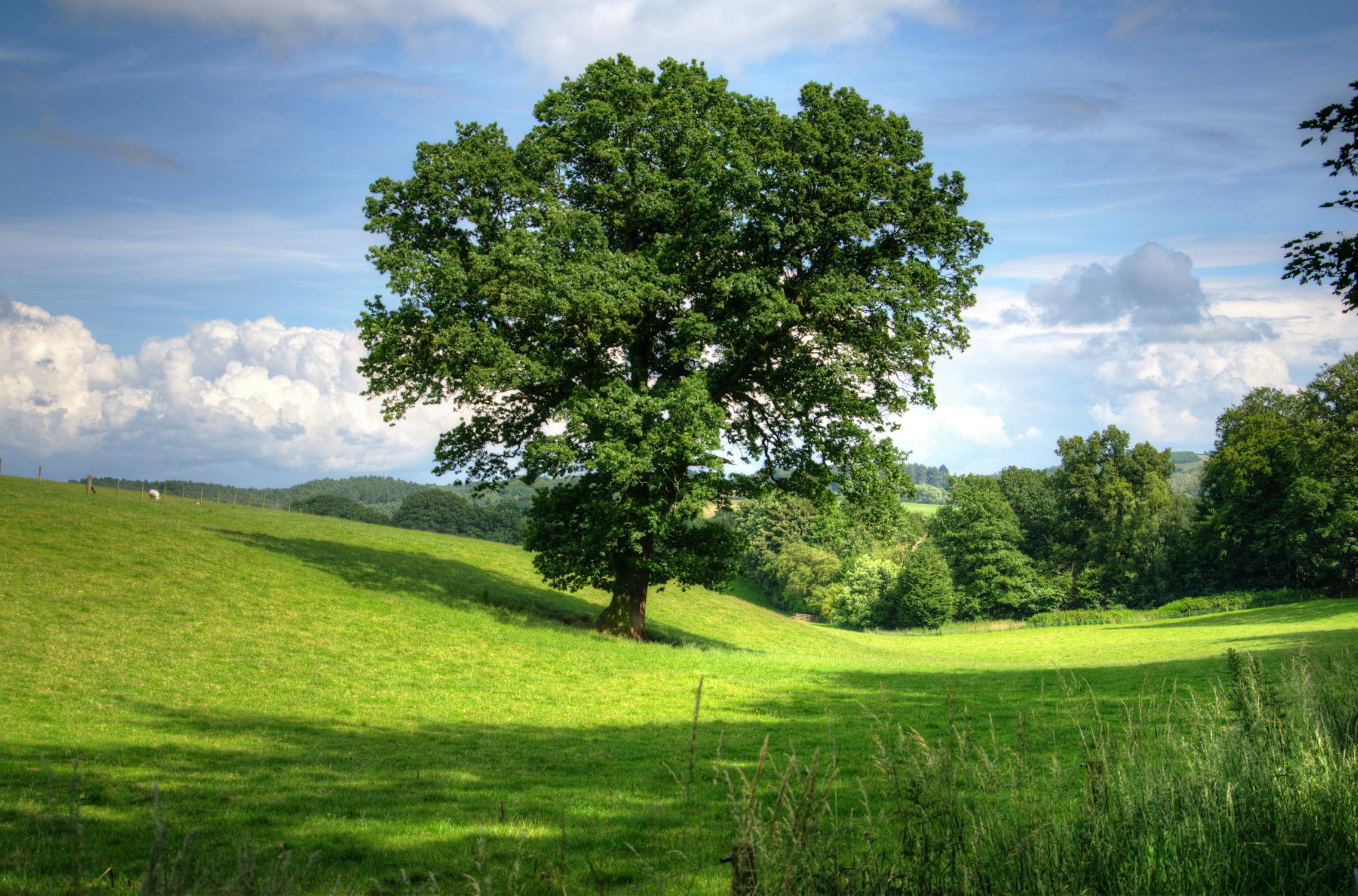
The Mand is an open ground where we gather for various physical contests and sports, including marksmanship. Traditionally, hunting and cooking wild game were part of the celebrations, but today, shooting skills are tested by firing at a coconut tied to a tall tree branch.
Some of the traditional rural sports include:
1)Grabbing a coconut from the hands of a group of 8–10 people.
2)Throwing a stone the size of a cricket ball at a coconut from a distance of 10–15 paces.
3)Lifting a stone ball of 30–40 cm and throwing it backwards over the shoulders.
Additionally, traditional Kodava dances like Bolkath and Ummathat are performed during these gatherings.
Nellakki Nadubaade
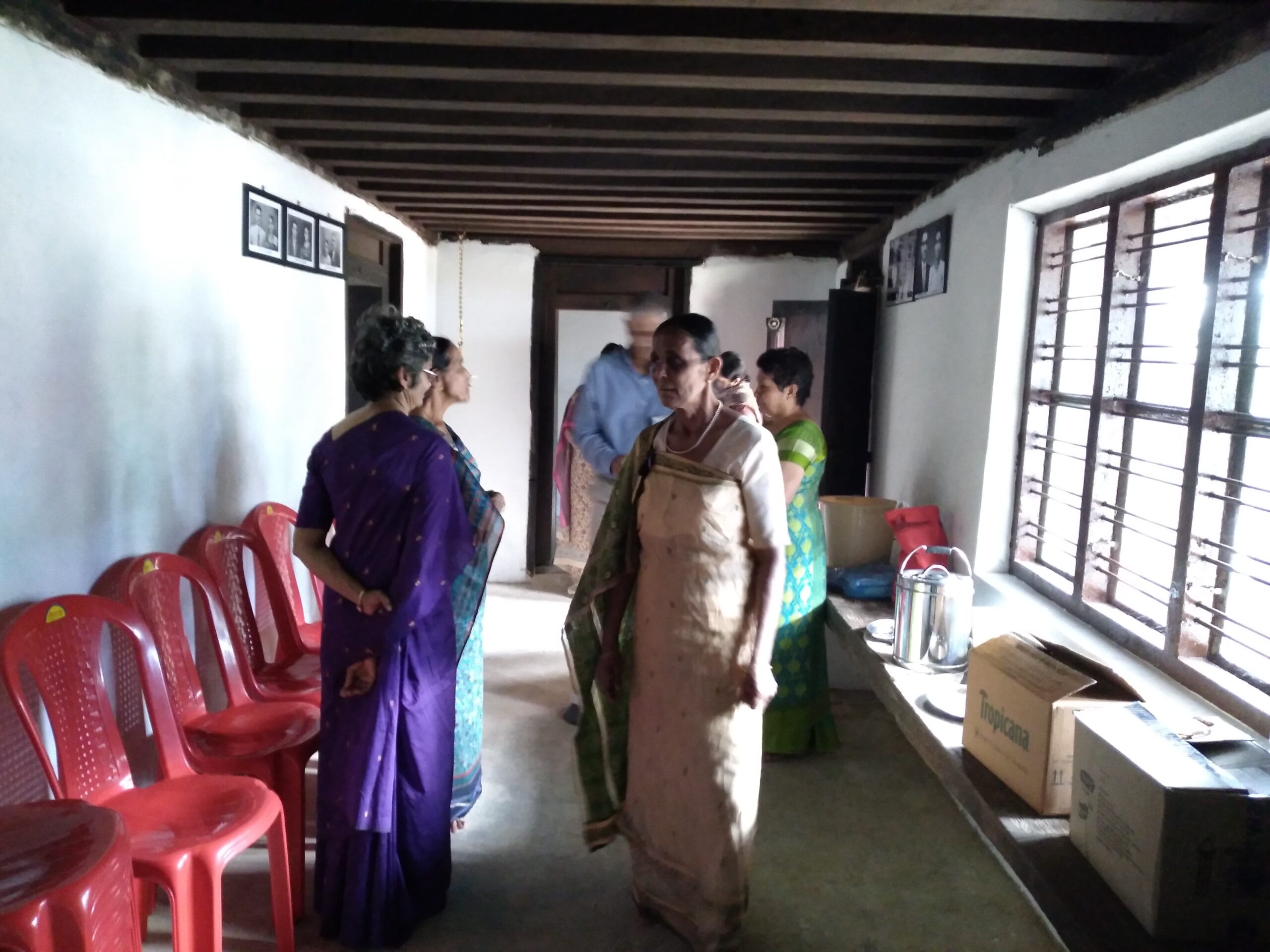
The Nellakki Nadubade is indeed a significant part of the traditional Kodava house, known as the aiynmane. This central hall serves as a place of community worship and is deeply revered. The Nellakki bolcha, a lamp lit in honor of the Guru Karana, holds a special place here. This lamp is kindled daily using embers from the kitchen hearth, which is considered especially sacred.
The Kannikombare
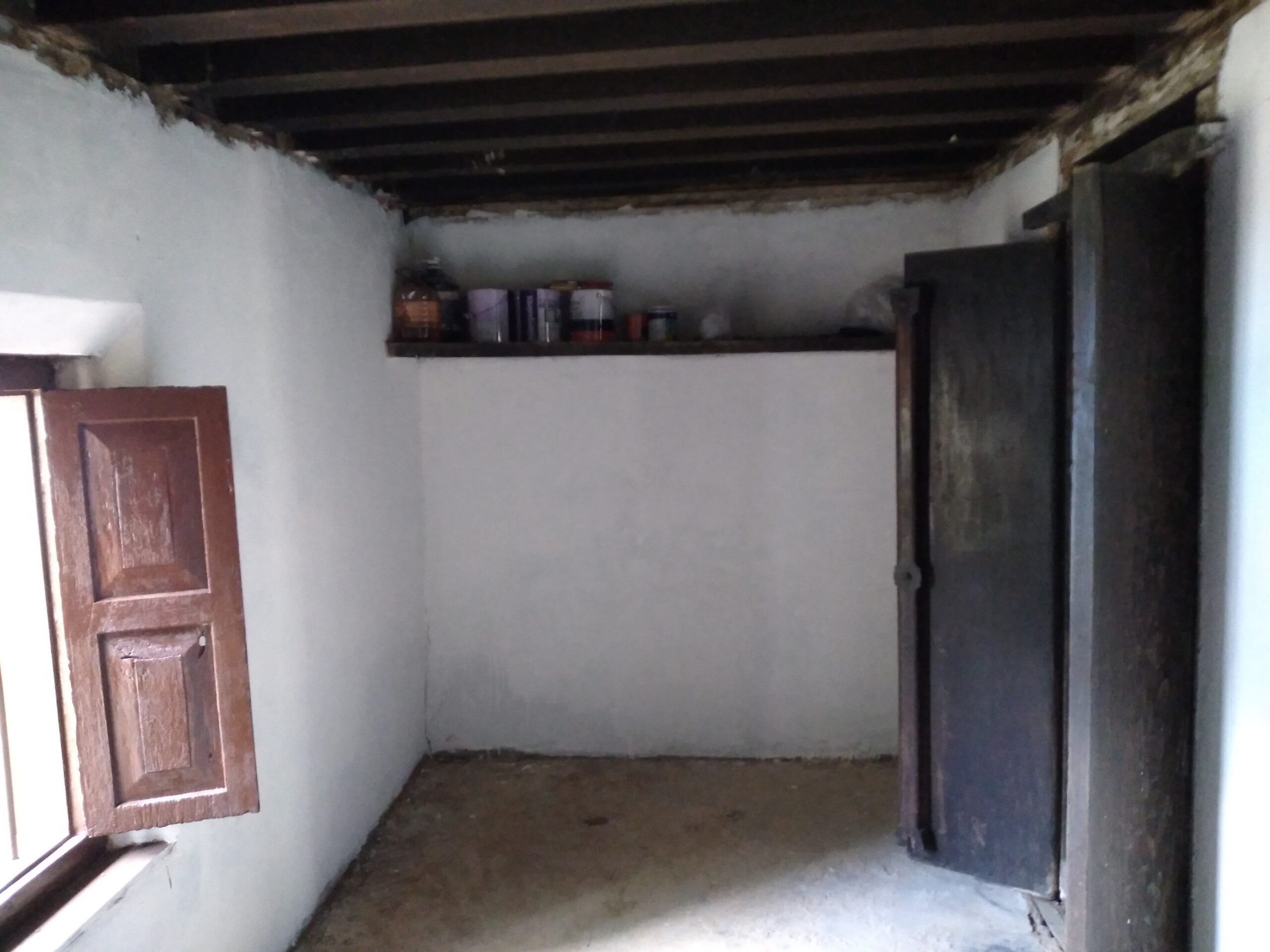
In the traditional Ainmane, the Kanni Kombare is a special room located in the southwest corner. This room has an opening to the attic and holds great significance in our rituals.
The Kanni Kombare is used to offer meedi, which is a food offering to our ancestors. All their favorite foods are lovingly prepared and placed on a banana leaf in this room. Once the offerings are set, the doors are closed.
It is believed that our ancestors, residing in the attic, descend through the opening in the ceiling to savor the offerings. This ritual strengthens our bond with our ancestors and keeps their memories alive.
The Naatha Sthana
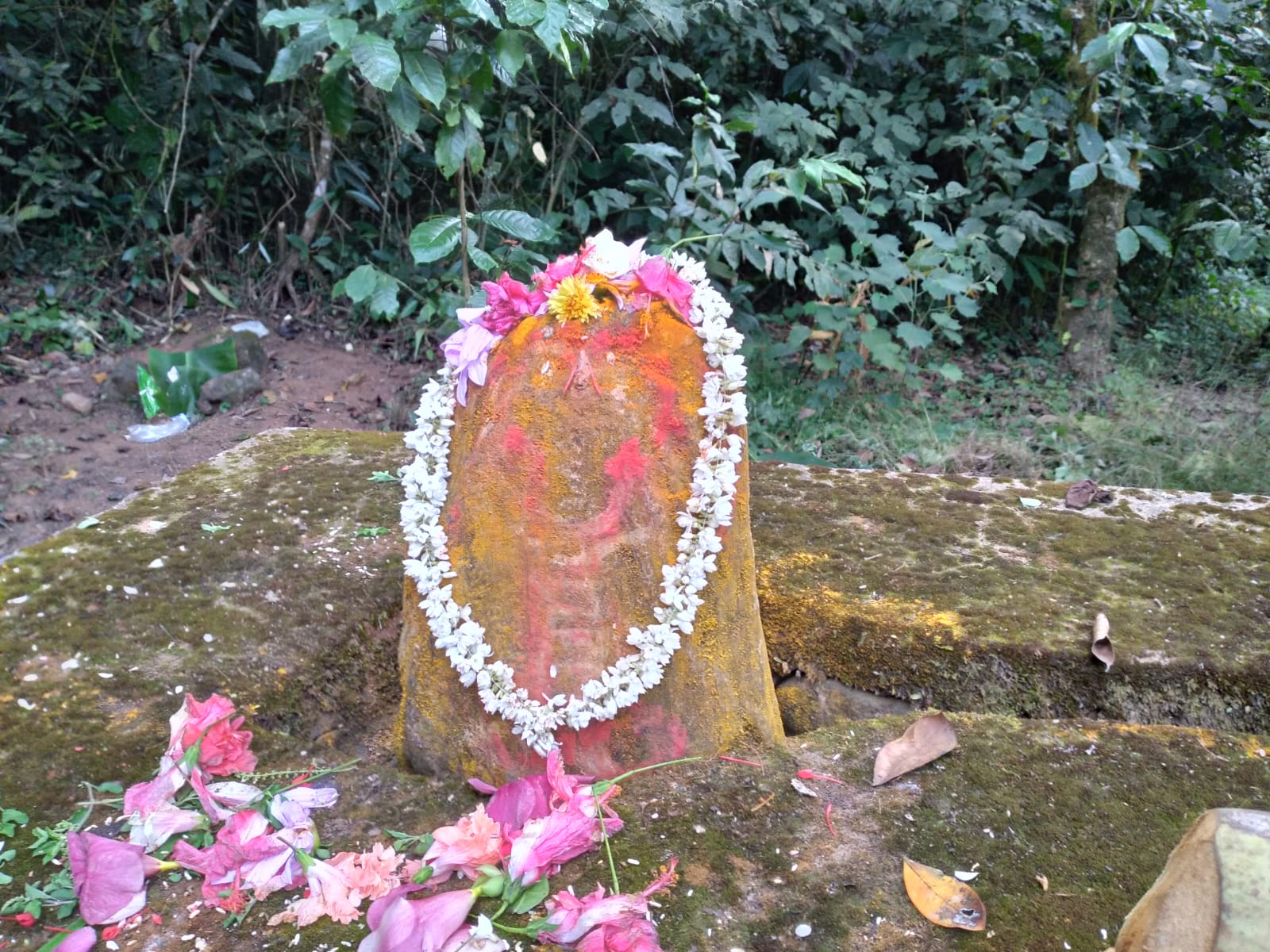
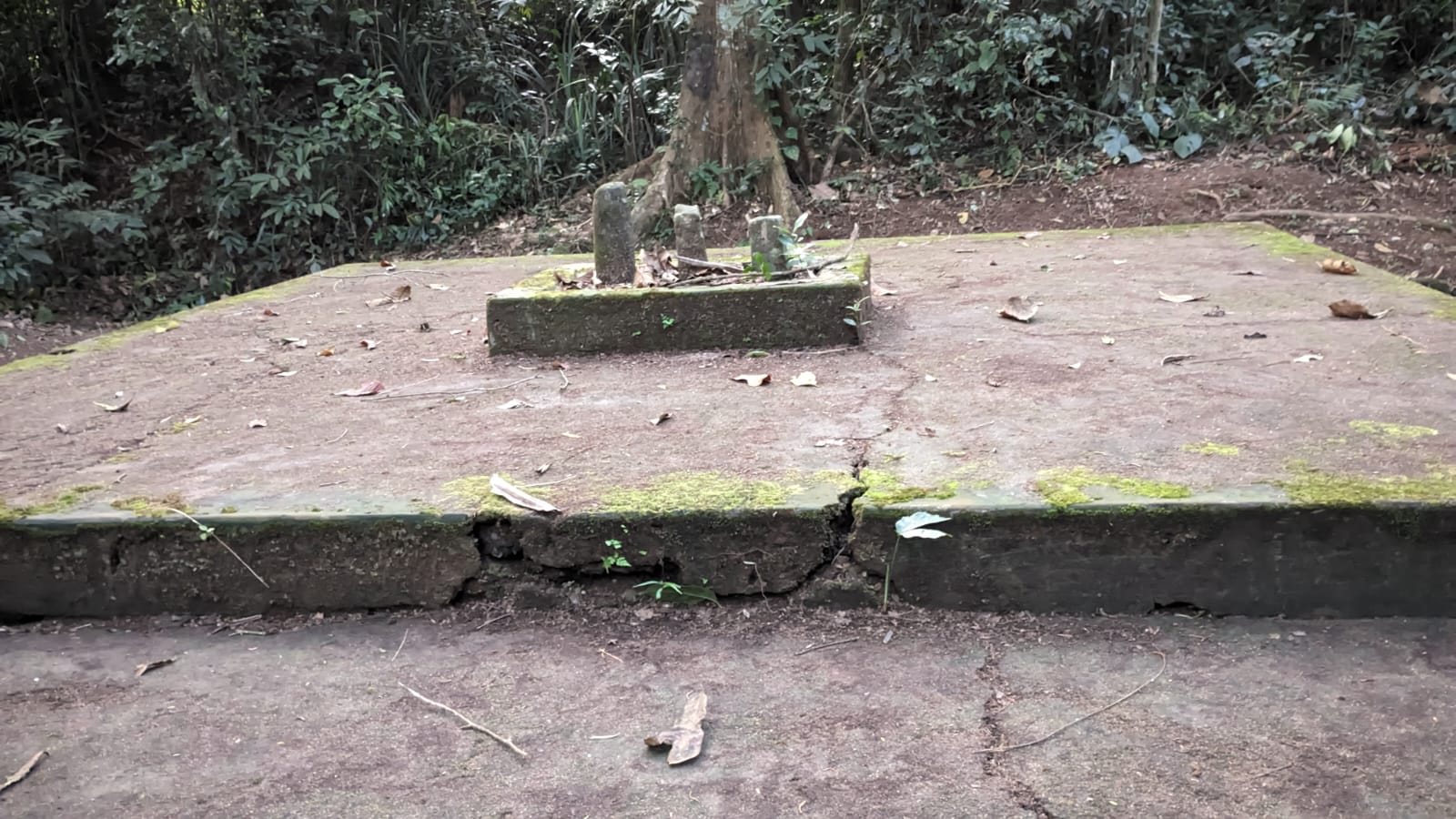
n Kodava culture, the Naga (snake) is revered as a deity. Each Kodava clan has a dedicated Naga Stana, typically located a few meters away from the ancestral home.
Every year, during the Kodava month of Birchyar, we perform an annual pooja to honor Naga Deva. This sacred ritual strengthens our connection to the divine and ensures the well-being of our community.
Powvvadhi Sthana
Powvvadi Stana is a revered place of worship nestled within the sacred grove known as Devakaad. This serene sanctuary is dedicated to Goddess Powvvadi, who is considered a milder form of Goddess Parvati.
Every year, during the Kodava month of Birchyar, we offer a special pooja to honor the goddess. For an entire month, a lamp is lit daily, filling the grove with divine light and blessings.
The Sacred Ground
Behind our existing Ainmane, are the ruins of our pioneer Ainmane that Tipu burnt. The place still stands testamony to the brutal murder of our clan. Though it has been over 240+ years since that fateful night, we still hold the place very dear to us. Reminding us why we should strive to make ourselves and our future generations aware of what our ancestors went through.
We make sure that we as a family, always pay our respects at this spot to make us touch the feet of our creators.
The Rights
In our traditional Ainmane, each member of the clan has clearly defined rights and privileges. These are broadly classified into:
1. Eldest Male Members
2. Male Members
3. Taamane Moodiya (Daughters)
4. Baake Banda Ponnala or Maimakkas (Daughters-in-law)
The eldest male of the family has the honor of sitting on the imara next to the kanni kamba (the first wooden pillar in the kaiyyale or veranda).
All male members and daughters also have the privilege to sit on the imara.
Daughters-in-law are given the special honor to sit on the imara only once, when they enter the house for the first time after their marriage. After this, they do not sit on the imara.
The Privileges
As a proud and patriotic community, the Kodava people have been granted unique privileges. Our ancestors were awarded Jamma lands by the Kodagu kings in recognition of their military services. Additionally, acknowledging our martial traditions, the British government allowed us to carry firearms without a license, a privilege that continues under the post-independence Indian government.